Storm-Damaged Tree: Prune It Back or Take It Down?
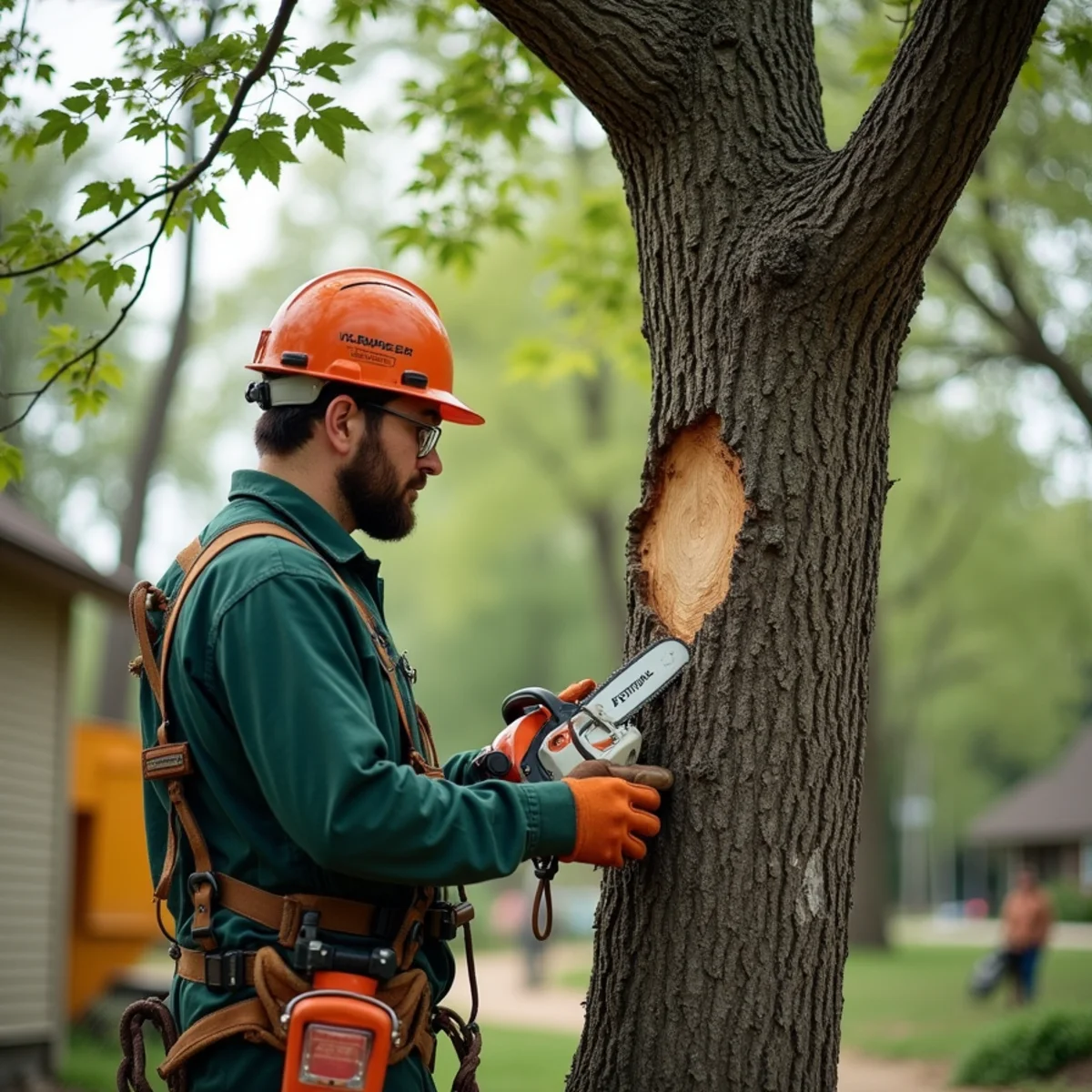
When addressing storm damaged tree prune or remove in Northeast Oklahoma, prioritize immediate personal safety, check for downed power drops, and document all damage with clear photos before moving limbs. In Green Country, severe weather like tornadoes and ice storms places immense mechanical stress on oak, maple, and hackberry limbs. Calling an insured, technical tree service ensures dangerous spring-loaded branches are dismantled safely without compounding structural damage.
Understanding Storm-Damaged Tree: Prune It Back or Take It Down? in Northeast Oklahoma
Oklahoma's climate creates unique hazards for urban and rural trees. Spring supercell thunderstorms bring straight-line winds surpassing 70 mph, while winter ice storms coat branches with hundreds of pounds of glaze ice. Species common to Green Country—such as silver maples, post oaks, water oaks, and invasive Bradford pears—each react differently to environmental stress. Understanding these dynamics is critical when navigating storm damaged tree prune or remove.
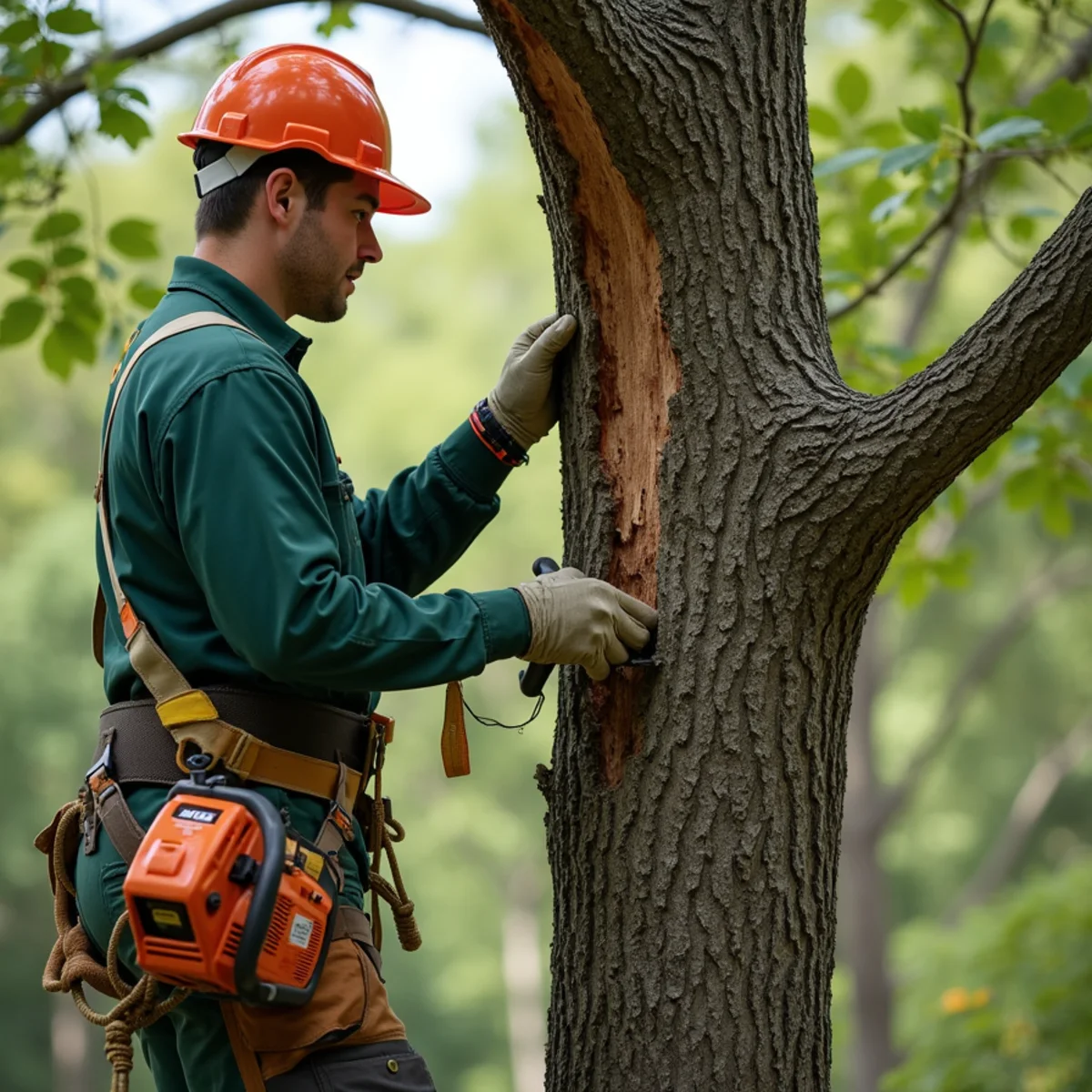
- Inspect the trunk base for fungal conks, mushrooms, or heaving soil indicating root plate failure.
- Check for co-dominant stems with included bark, which split easily in high wind.
- Ensure branches are clear of electric service lines running from the utility pole to your home weatherhead.
- Verify contractor insurance coverage (demand a certificate of general liability) before work begins.
Safety Protocols and Property Protection
Attempting to tackle large tree hazards with a consumer chainsaw without proper rigging training is among the most dangerous homeowner tasks. Downed trees frequently store massive mechanical energy; cutting a trunk under tension can trigger violent spring-back. Professional tree crews use relief cuts, directional felling notches, and tagline control to dissipate energy safely.
Costs, Insurance, and Local Regulations
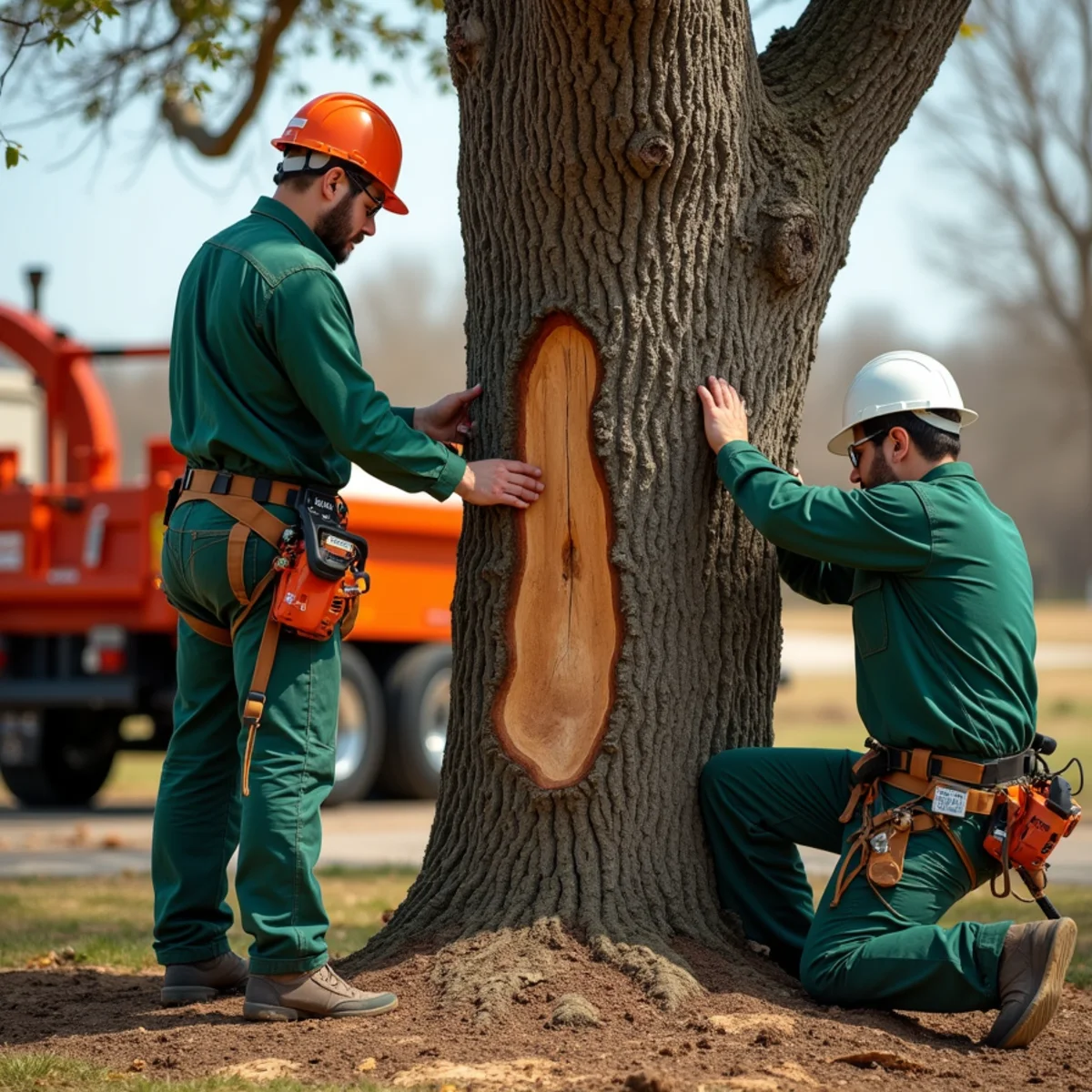
When dealing with storm damaged tree prune or remove, homeowners often ask about costs and insurance coverage. If a tree falls on a covered structure (such as your home, garage, or shed), homeowners insurance policies typically cover the cost of removing the tree from the structure and making temporary tarp repairs. For general tree trimming and maintenance, costs depend on tree height, accessibility, and debris haul-off.
| Factor | Typical Scope | Impact on Price & Safety |
|---|---|---|
| Tree Height & Diameter | Small (under 25ft) to Large (over 60ft) | Larger trees require advanced climbing or bucket access |
| Proximity to Structures | Clear lawn vs tight roofline proximity | Tight quarters require complex rope rigging and friction lowering |
| Power Line Proximity | Near service drop vs high voltage line | Requires coordination with PSO or rural electric cooperatives |
| Debris Clean & Haul | Leave firewood vs full chip & haul-off | Full debris haul-off and raking leaves property spotless |
Storm Damage Triage Decision Framework
Following a violent Oklahoma thunderstorm or tornadic squall, homeowners must determine whether a battered tree can be safely salvaged through restorative pruning or must be completely removed. Austin Joice uses a structured arborist triage framework to evaluate the percentage of remaining canopy, trunk structural integrity, and the presence of dangerous co-dominant trunk splits.
| Structural Defect | Damage Severity | Recommended Arborist Action | Recovery Prognosis |
|---|---|---|---|
| Minor branchlet breakage | < 25% canopy loss | Prune broken stubs back to branch bark collar | Excellent (Full recovery in 2-3 years) |
| Major lateral limb loss | 25% - 50% canopy loss | Crown restoration pruning; balance remaining crown | Good (Requires ongoing arborist monitoring) |
| Main trunk vertical split | Split at primary union | Emergency removal or high-strength cabling | Fair to poor (High liability over structures) |
| Uprooted / heaving root plate | Severe root severance | Immediate sectional removal | None (Imminent total failure hazard) |
Structural Restoration Pruning Over Multi-Year Cycles
Saving a storm-damaged tree is rarely a one-time operation. When large limbs tear away, trees respond by producing hundreds of rapid epicormic sprouts around the wound. Over the following two to three years, Austin Joice performs progressive restoration pruning, thinning out crowded sprouts and selecting the strongest, best-positioned shoots to become permanent scaffold limbs.
Austin Joice's Field Notes from the Canopy: Evaluating Remaining Vascular Capacity & Safe Salvage
Following major tornadoes and severe windstorms, property owners are often pressured by fly-by-night storm chasers to clear-cut every tree that suffered broken limbs. At Joice Tree Service, our motto is 'Let Your Trees Have a Voice.' When evaluating a storm-damaged hardwood, my primary assessment focuses on vascular cambium continuity. If the tree has lost 40% of its branches but the main trunk has no vertical splits and the root flare remains solidly anchored in the earth, the tree has strong biological capacity to survive. We prune back broken jagged ends with clean collar cuts, install synthetic cables to support split crotches if feasible, and apply a light application of deep-root nutrients to stimulate healing. Preserving a mature 50-year-old oak saves thousands of dollars in removal costs while protecting your home's shade and curb appeal.
At Joice Tree Service, owner Austin Joice frequently encounters storm damaged tree prune or remove during storm recovery and hazardous removals. Trees subjected to Oklahoma's severe weather cycles often exhibit internal rot, hollow cavities, or weak branch unions that make DIY cutting extremely hazardous. Professional rigging with Port-a-Wrap friction devices and arborist blocks allows heavy sections to be lowered safely under tension.
Need Professional Tree Advice on Your Property?
Call Austin Joice at (213) 468-5153. We inspect your trees on site, explain which can be pruned and which require removal, and provide a free written estimate.
Frequently Asked Questions
First assess the situation from a safe distance. If electrical lines are involved, stay clear and contact your utility. Document damage with photos and call Joice Tree Service at (213) 468-5153 for an inspection.