DIY Tree Cutting vs Hiring a Pro: Real Risks
When addressing diy tree removal in Northeast Oklahoma, prioritize immediate personal safety, check for downed power drops, and document all damage with clear photos before moving limbs. In Green Country, severe weather like tornadoes and ice storms places immense mechanical stress on oak, maple, and hackberry limbs. Calling an insured, technical tree service ensures dangerous spring-loaded branches are dismantled safely without compounding structural damage.
Understanding DIY Tree Cutting vs Hiring a Pro: Real Risks in Northeast Oklahoma
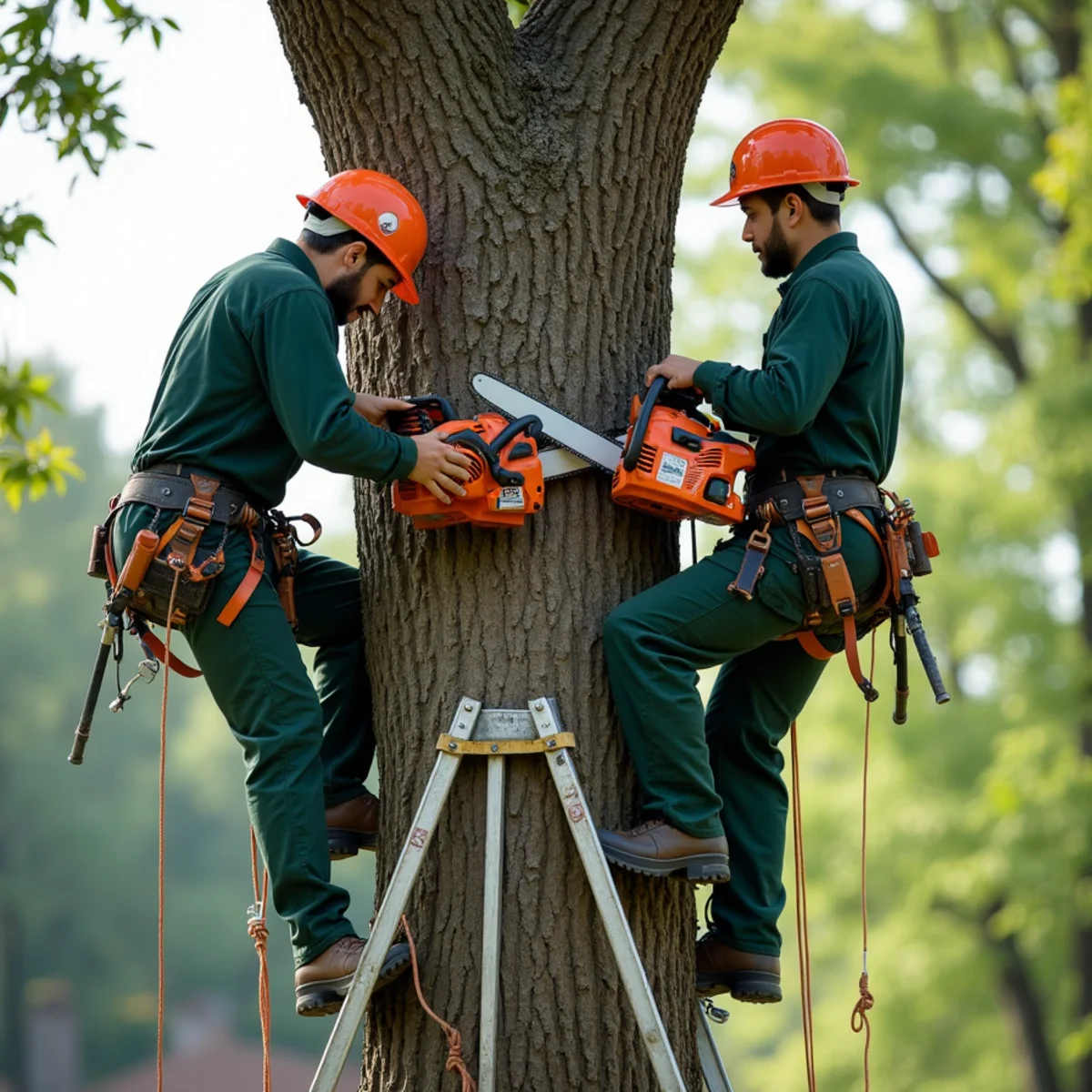
Oklahoma's climate creates unique hazards for urban and rural trees. Spring supercell thunderstorms bring straight-line winds surpassing 70 mph, while winter ice storms coat branches with hundreds of pounds of glaze ice. Species common to Green Country—such as silver maples, post oaks, water oaks, and invasive Bradford pears—each react differently to environmental stress. Understanding these dynamics is critical when navigating diy tree removal.
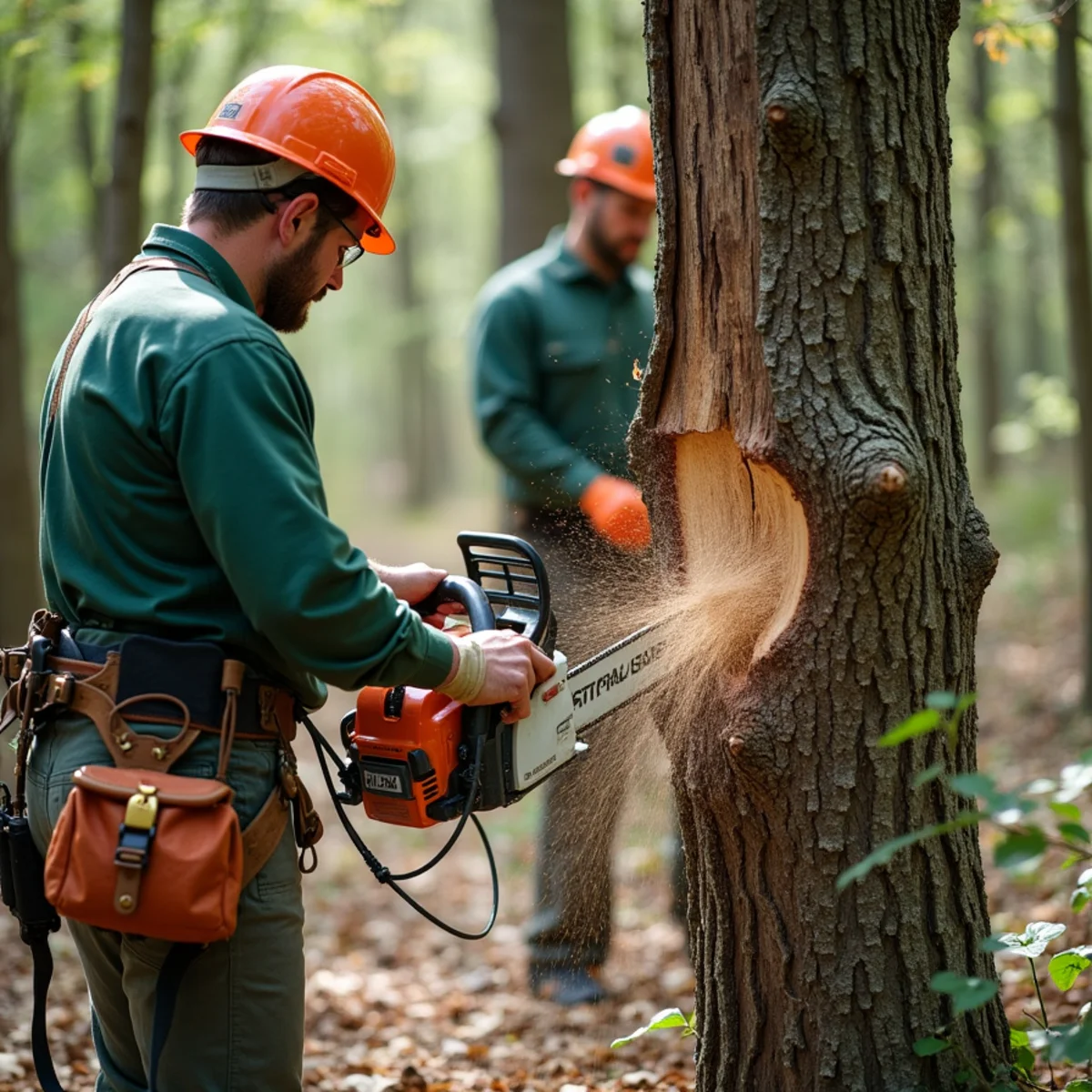
- Inspect the trunk base for fungal conks, mushrooms, or heaving soil indicating root plate failure.
- Check for co-dominant stems with included bark, which split easily in high wind.
- Ensure branches are clear of electric service lines running from the utility pole to your home weatherhead.
- Verify contractor insurance coverage (demand a certificate of general liability) before work begins.
Safety Protocols and Property Protection
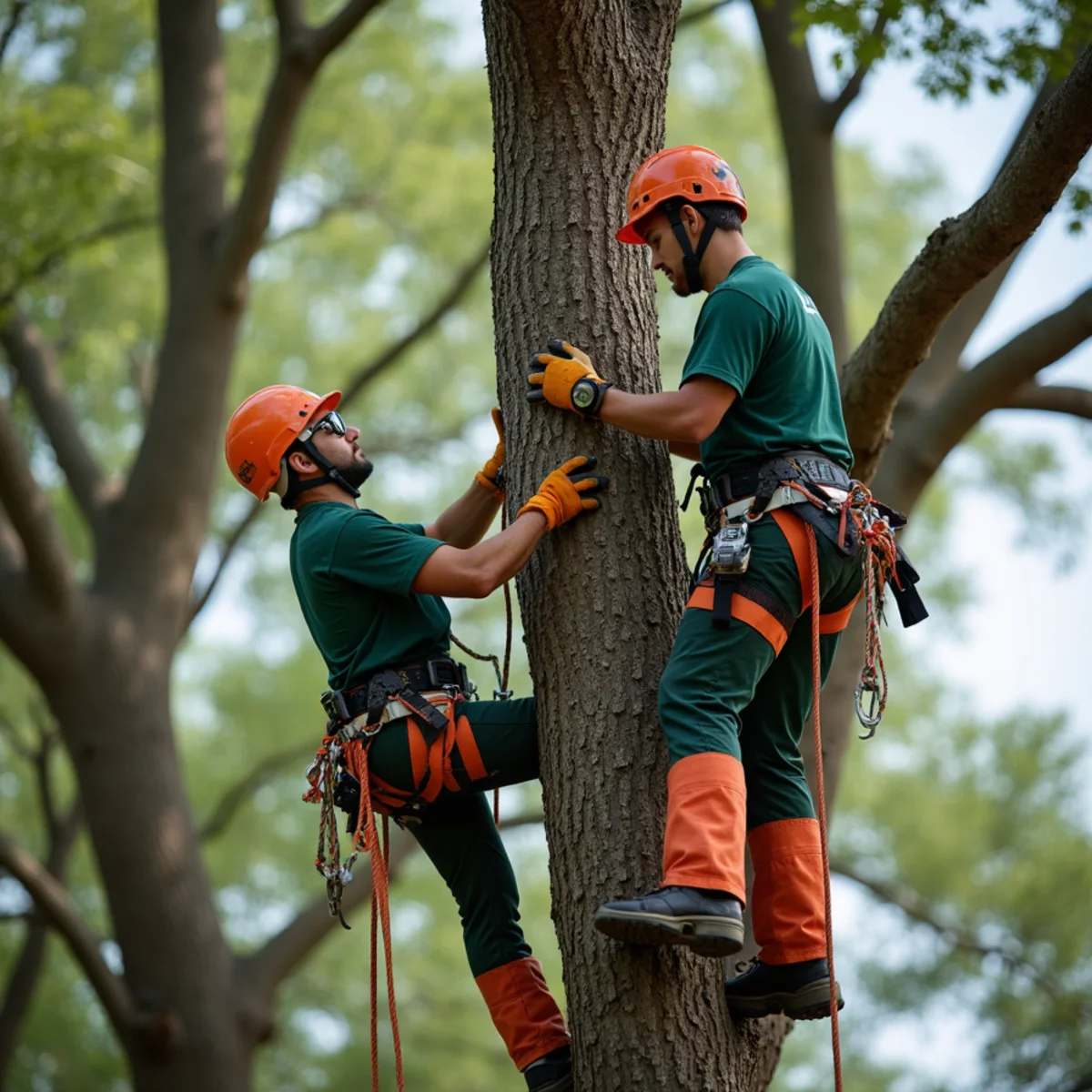
Attempting to tackle large tree hazards with a consumer chainsaw without proper rigging training is among the most dangerous homeowner tasks. Downed trees frequently store massive mechanical energy; cutting a trunk under tension can trigger violent spring-back. Professional tree crews use relief cuts, directional felling notches, and tagline control to dissipate energy safely.
Costs, Insurance, and Local Regulations
When dealing with diy tree removal, homeowners often ask about costs and insurance coverage. If a tree falls on a covered structure (such as your home, garage, or shed), homeowners insurance policies typically cover the cost of removing the tree from the structure and making temporary tarp repairs. For general tree trimming and maintenance, costs depend on tree height, accessibility, and debris haul-off.
| Factor | Typical Scope | Impact on Price & Safety |
|---|---|---|
| Tree Height & Diameter | Small (under 25ft) to Large (over 60ft) | Larger trees require advanced climbing or bucket access |
| Proximity to Structures | Clear lawn vs tight roofline proximity | Tight quarters require complex rope rigging and friction lowering |
| Power Line Proximity | Near service drop vs high voltage line | Requires coordination with PSO or rural electric cooperatives |
| Debris Clean & Haul | Leave firewood vs full chip & haul-off | Full debris haul-off and raking leaves property spotless |
Risk Comparison: DIY Tree Cutting vs. Professional Arborist Work
Attempting tree removal with consumer chainsaws, ladders, and pickup truck tow straps consistently ranks among the most hazardous activities a homeowner can undertake. Trees in suburban settings store tremendous kinetic energy, and misjudging trunk lean by even a few degrees can drop thousands of pounds of timber directly through a living room ceiling, garage, or power line.
| Operational Factor | DIY Homeowner Approach | Joice Tree Service Professional Standard | Liability & Consequence |
|---|---|---|---|
| Climbing & Elevation | Ladders, ropes tied to ladders | Arborist saddles, spurless systems, aerial rigging | Ladder kickout; catastrophic falls |
| Lowering Control | Letting limbs free-fall to ground | Port-a-Wrap friction brakes & arborist pulleys | Crushed roofs, flattened fences, rutted turf |
| Cutting Heavy Binds | Forcing chainsaw through pinch | Strategic relief notches, wedges, and taglines | Violent saw kickback; barber-chair fractures |
| Insurance & Coverage | Homeowner liability policy | Full Commercial Liability ($1M / $2M) | Homeowner pays out-of-pocket for damages |
Equipment Limitations: Consumer Chainsaws vs. Commercial Rigging
Consumer-grade chainsaws lack the bar length, engine torque, and safety chain brakes required to fell large hardwoods cleanly. Furthermore, without commercial rigging blocks, high-tensile arborist ropes, and heavy-duty Vermeer wood chippers, disposing of a large tree requires weeks of grueling hand labor and dangerous burning. Hiring an insured professional ensures the job is completed in hours with zero property damage.
Austin Joice's Field Notes from the Canopy: High-Angle Friction Physics & Chain Reaction Drops
Many people watch online tree cutting videos and assume that felling a tree is simply a matter of making a face cut and running a back cut. In reality, tree climbing and rigging is applied physics under life-or-death stakes. When an arborist severs a 400-pound limb suspended 40 feet in the air, that limb drops instantly until caught by the rigging line. The kinetic energy generated during that drop transfers directly into the rigging block anchored in the tree top and down into the friction brake on the ground. An amateur attempting this with static hardware store rope will either snap the rope or pull the top out of the tree. We calculate dynamic load shock, utilize calibrated arborist rigging lines with 10,000-pound breaking strengths, and deploy friction snubbers to absorb shock smoothly without compromising the tree or the climber.
At Joice Tree Service, owner Austin Joice frequently encounters diy tree removal during storm recovery and hazardous removals. Trees subjected to Oklahoma's severe weather cycles often exhibit internal rot, hollow cavities, or weak branch unions that make DIY cutting extremely hazardous. Professional rigging with Port-a-Wrap friction devices and arborist blocks allows heavy sections to be lowered safely under tension.
Need Professional Tree Advice on Your Property?
Call Austin Joice at (213) 468-5153. We inspect your trees on site, explain which can be pruned and which require removal, and provide a free written estimate.
Frequently Asked Questions
First assess the situation from a safe distance. If electrical lines are involved, stay clear and contact your utility. Document damage with photos and call Joice Tree Service at (213) 468-5153 for an inspection.