Crown Thinning vs Crown Reduction Explained
When addressing crown thinning vs crown reduction in Northeast Oklahoma, prioritize immediate personal safety, check for downed power drops, and document all damage with clear photos before moving limbs. In Green Country, severe weather like tornadoes and ice storms places immense mechanical stress on oak, maple, and hackberry limbs. Calling an insured, technical tree service ensures dangerous spring-loaded branches are dismantled safely without compounding structural damage.
Understanding Crown Thinning vs Crown Reduction Explained in Northeast Oklahoma
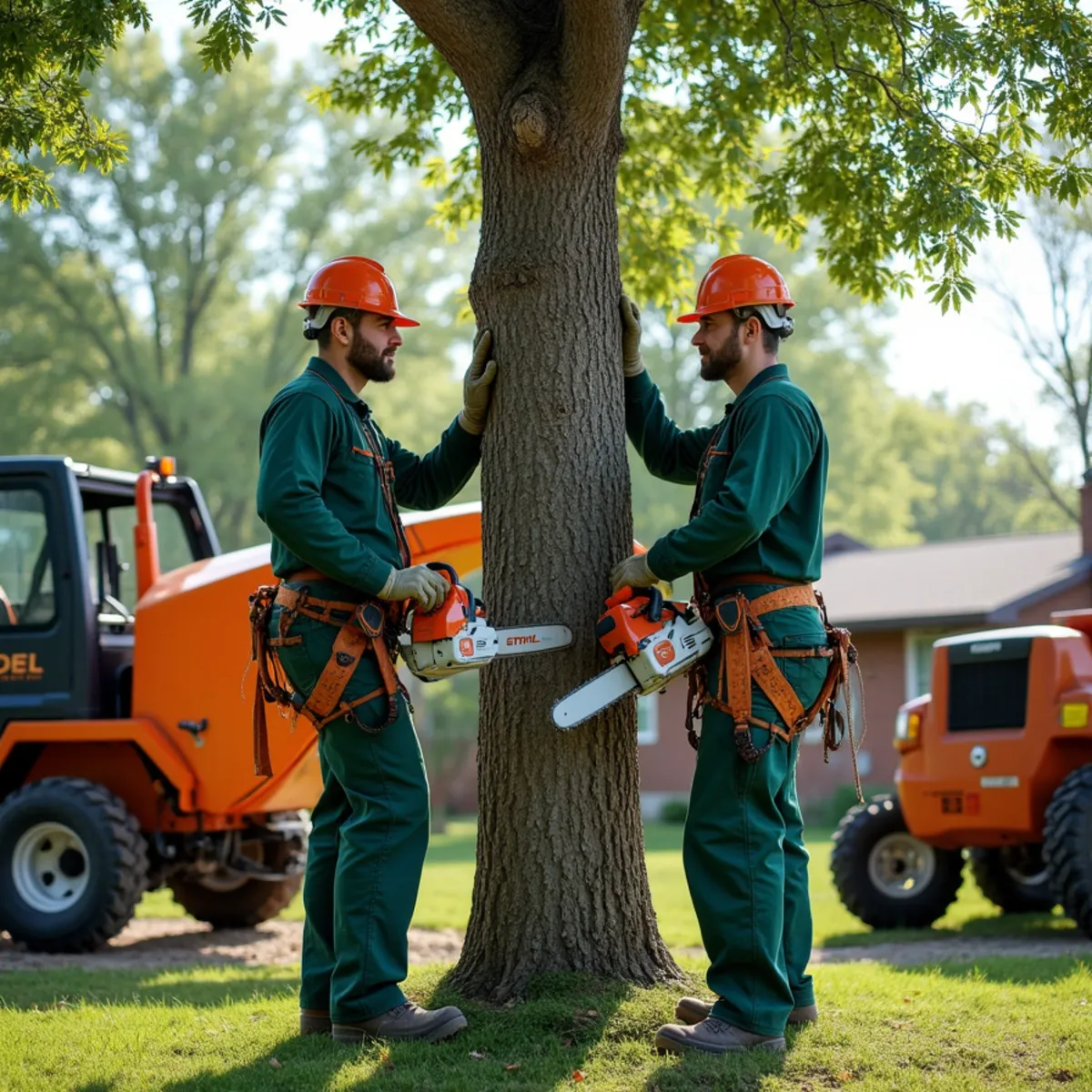
Oklahoma's climate creates unique hazards for urban and rural trees. Spring supercell thunderstorms bring straight-line winds surpassing 70 mph, while winter ice storms coat branches with hundreds of pounds of glaze ice. Species common to Green Country—such as silver maples, post oaks, water oaks, and invasive Bradford pears—each react differently to environmental stress. Understanding these dynamics is critical when navigating crown thinning vs crown reduction.
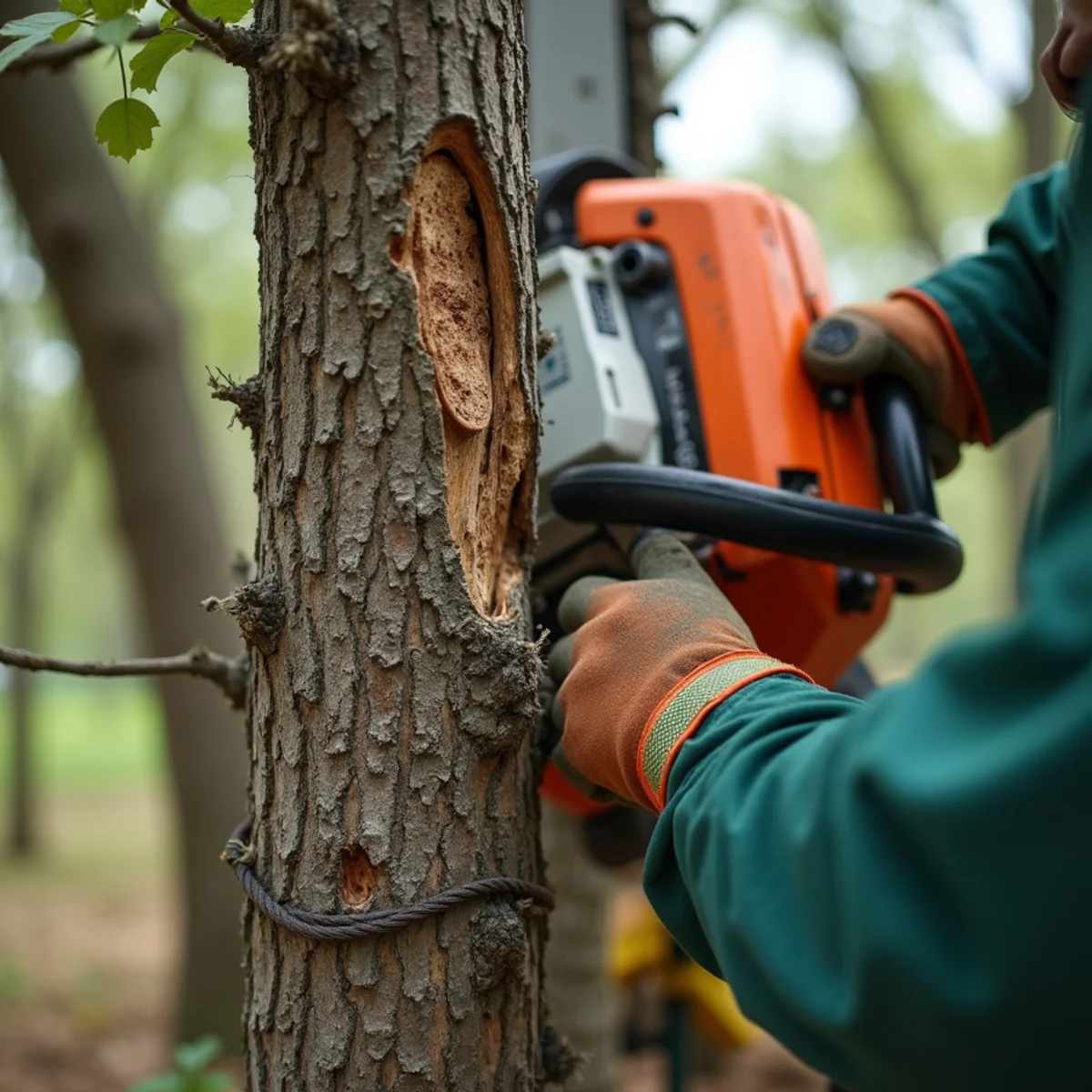
- Inspect the trunk base for fungal conks, mushrooms, or heaving soil indicating root plate failure.
- Check for co-dominant stems with included bark, which split easily in high wind.
- Ensure branches are clear of electric service lines running from the utility pole to your home weatherhead.
- Verify contractor insurance coverage (demand a certificate of general liability) before work begins.
Safety Protocols and Property Protection
Attempting to tackle large tree hazards with a consumer chainsaw without proper rigging training is among the most dangerous homeowner tasks. Downed trees frequently store massive mechanical energy; cutting a trunk under tension can trigger violent spring-back. Professional tree crews use relief cuts, directional felling notches, and tagline control to dissipate energy safely.
Costs, Insurance, and Local Regulations
When dealing with crown thinning vs crown reduction, homeowners often ask about costs and insurance coverage. If a tree falls on a covered structure (such as your home, garage, or shed), homeowners insurance policies typically cover the cost of removing the tree from the structure and making temporary tarp repairs. For general tree trimming and maintenance, costs depend on tree height, accessibility, and debris haul-off.
| Factor | Typical Scope | Impact on Price & Safety |
|---|---|---|
| Tree Height & Diameter | Small (under 25ft) to Large (over 60ft) | Larger trees require advanced climbing or bucket access |
| Proximity to Structures | Clear lawn vs tight roofline proximity | Tight quarters require complex rope rigging and friction lowering |
| Power Line Proximity | Near service drop vs high voltage line | Requires coordination with PSO or rural electric cooperatives |
| Debris Clean & Haul | Leave firewood vs full chip & haul-off | Full debris haul-off and raking leaves property spotless |
Detailed Comparison: Thinning vs. Reduction Methodologies
Homeowners often confuse crown thinning with crown reduction, yet each pruning technique serves a distinct biological and structural objective. Crown thinning focuses on removing interior crowding and deadwood to allow wind and sunlight to filter through the canopy. Crown reduction systematically shortens outer branch leaders back to healthy lateral branches, decreasing overall canopy height and spread to eliminate clearance conflicts with structures or power drops.
| Pruning Method | Primary Objective | Target Branches | Impact on Wind Load & Sunlight |
|---|---|---|---|
| Crown Thinning | Improve airflow & light penetration | Weak, crossing, rubbing secondary branches | Significantly reduces sail effect; grass grows under tree |
| Crown Reduction | Decrease tree height and spread | Terminal leaders cut back to lateral branches | Reduces mechanical leverage against rooflines and lines |
| Canopy Raising | Increase ground clearance | Lowest lateral branches over driveways/roofs | Provides 12-14 ft headroom for mowers & delivery trucks |
| Tree Topping (Avoid!) | None (Destructive hacking) | Indiscriminate trunk and limb chopping | Starves roots, triggers rot, and causes rapid branch failure |
Why Neither Method Resembles Tree Topping
Both crown thinning and crown reduction adhere strictly to ANSI A300 standards, meaning every cut is made back to a branch collar or lateral branch with sufficient leaf area to sustain vascular flow. By contrast, tree topping indiscriminately hacks off branch ends between nodes, leaving blunt rotting stubs that cannot heal. Topped trees rapidly produce dense, weakly attached watersprouts that create severe hazards during Oklahoma wind and ice storms.
Austin Joice's Field Notes from the Canopy: Branch Collar Anatomy & Preventing Lion's-Tailing
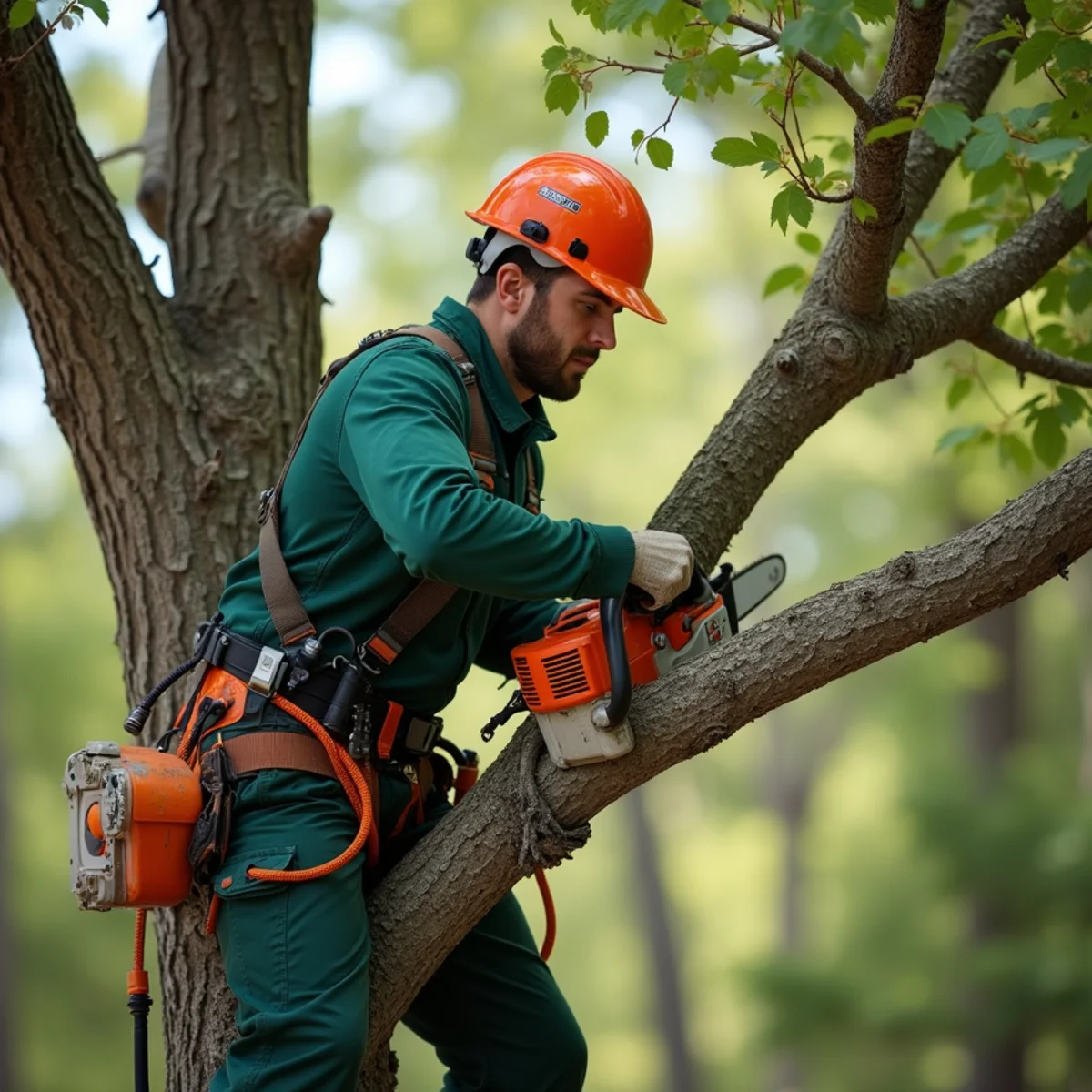
As a lead climber who has spent over a decade in tree canopies across Green Country, proper pruning cut anatomy is something I am deeply passionate about. Every branch cut must be made immediately outside the branch bark ridge and branch collar—the swollen collar of overlapping wood tissue where branch meets trunk. Cutting flush with the trunk removes this protective zone, creating large non-healing wounds that invite wood rot. Conversely, leaving long dead stubs prevents bark from sealing over the cut. During crown thinning, a common amateur mistake is lion's-tailing: stripping out all interior foliage and leaving small tufts of leaves at branch ends. Lion's-tailed limbs act like long levers in 60-mph Oklahoma windstorms, increasing mechanical stress on branch unions and causing massive storm failures. Proper thinning removes no more than 20% of canopy foliage, preserving balanced foliage distribution.
At Joice Tree Service, owner Austin Joice frequently encounters crown thinning vs crown reduction during storm recovery and hazardous removals. Trees subjected to Oklahoma's severe weather cycles often exhibit internal rot, hollow cavities, or weak branch unions that make DIY cutting extremely hazardous. Professional rigging with Port-a-Wrap friction devices and arborist blocks allows heavy sections to be lowered safely under tension.
Need Professional Tree Advice on Your Property?
Call Austin Joice at (213) 468-5153. We inspect your trees on site, explain which can be pruned and which require removal, and provide a free written estimate.
Frequently Asked Questions
First assess the situation from a safe distance. If electrical lines are involved, stay clear and contact your utility. Document damage with photos and call Joice Tree Service at (213) 468-5153 for an inspection.